An interoffice memo (memorandum) is the standard format for written communication inside an organization — policy announcements, procedure changes, meeting notices, and anything that needs to be dated, filed, and findable later. Unlike a business letter, a memo has no envelope, no salutation, and no closing signature: just a four-line header and the message. The free templates below are editable MS Word documents with the header block pre-built, and beneath them you’ll find the standard format, a complete sample memo you can adapt, and when to send a memo instead of an email.
The Standard Memo Format
Every memo has the same four parts:
- The header block — four lines: TO (recipients or group — “All Staff,” “Accounts Department”), FROM (sender’s name and title), DATE, and SUBJECT (specific, not generic: “New Expense Submission Deadline — 5th of Each Month,” not “Important Update”).
- The opening — the purpose in the first sentence. A memo is not a mystery novel; readers should know why it exists before the first line ends.
- The body — the details: what’s changing, why, who it affects, and from when. Short paragraphs; bullets if there are several items.
- The action close — what the reader must do and by when, stated plainly. If no action is needed, say what to expect instead (“No action is required; the new schedule takes effect automatically”).
Two conventions that surprise people: memos carry no “Dear…” salutation and no signature block at the bottom — traditionally, the sender initials by hand next to their name in the FROM line to authorize it. And a memo covers one topic; two topics means two memos, because memos get filed and forwarded by subject.
Sample Interoffice Memo
Here’s a complete example — adapt the wording, or download a template below with this layout ready:
MEMORANDUM
TO: All Staff
FROM: Nadia Hussain, Office Manager NH
DATE: 28 August 2026
SUBJECT: New Expense Submission Deadline — 5th of Each Month
Starting 1 October, all expense claims must be submitted by the 5th of the following month, rather than the 15th. The earlier deadline allows Accounts to close each month’s books before mid-month reporting.
Claims should be submitted through the usual expense form with receipts attached. Claims received after the 5th will be processed in the next month’s cycle — there are no other changes to the reimbursement process, and reimbursements will continue to be paid with the monthly payroll.
Action required: submit September expenses by Monday, 5 October. Questions to the Accounts helpdesk (ext. 240).
Note the conventions in action: purpose in the first sentence, one topic, the sender’s initials beside the FROM line instead of a signature, and a bolded action with a date.
Memo vs. Email: When to Use Which
Email replaced the memo for everyday back-and-forth — but the memo survives for a reason. Use a memo when the message is formal, affects a defined group, and needs to exist as a record: policy and procedure changes, organizational announcements, disciplinary or compliance notices, anything HR or auditors might need to point to later. Its fixed header makes it citable (“per the memo of 28 August”) and its one-page discipline keeps it readable on a notice board. Use an email for discussion, coordination, and anything expecting a reply. In practice the two combine: the memo is written as a document — often from a template like the ones below — and then distributed as an email attachment or printed for the notice board, so the record and the delivery each do their job.
Free Interoffice Memo Templates in MS Word
Every template below has the MEMORANDUM header block pre-built — fill in the four lines, write your message, and it’s ready to print or attach.
Classic Interoffice Memo Template

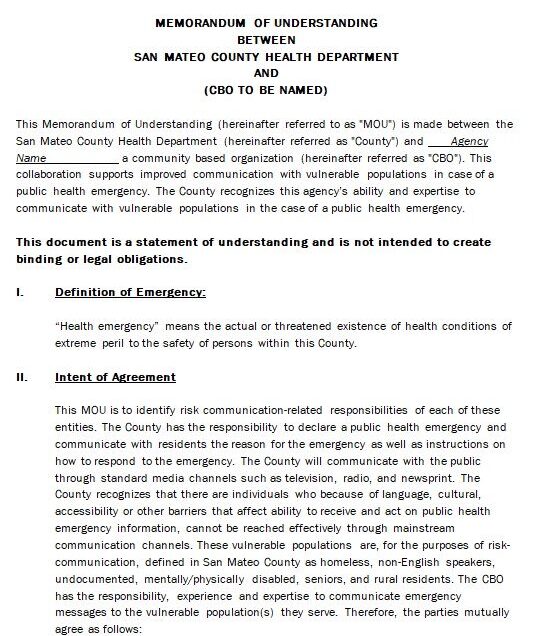
The traditional plain layout — centered MEMORANDUM title, four-line header, rule line, and body. Prints cleanly in black and white.

Interoffice Memo Template with Logo Header

The same format with a company logo placeholder and a colored header bar — for organizations that brand internal documents.

Click on this download button to get the interoffice memo template.

Click on this download button to get the interoffice memo template.

Click on this download button to get the interoffice memo template.
Click on this download button to get the interoffice memo template.

Click on this download button to get the interoffice memo template.
Looking for the accounting document instead? A credit memo is a different thing entirely — a billing adjustment note, not correspondence.
Three Rules for Writing a Memo People Actually Read
- Purpose in sentence one. If a reader can’t tell within five seconds why the memo exists and whether it affects them, it goes unread. The subject line and first sentence carry the whole load.
- One memo, one topic. Bundling the parking notice with the expense-deadline change guarantees one of them gets missed — and makes the memo impossible to file sensibly.
- End with the action and the date. The most common memo failure is informing without instructing. Bold the action line; if there’s a deadline, name the day and date.
Frequently Asked Questions
What is the format of an interoffice memo?
A four-line header — TO, FROM, DATE, SUBJECT — followed by the message: purpose in the first sentence, details in short paragraphs, and a closing action line. No salutation and no signature block; the sender initials next to their name in the FROM line.
Do you sign a memo?
Not with a closing signature like a letter. The traditional convention is to write your initials by hand next to your typed name in the FROM line, which authorizes the memo. Memos distributed by email usually skip initials entirely.
What is the difference between a memo and an email?
A memo is a formal internal document — dated, filed, and citable — used for policies, announcements, and records. Email is for discussion and coordination. Many organizations write announcements as memos and then distribute them as email attachments, getting the record and the reach together.
How long should a memo be?
One page, one topic. If the content genuinely needs more, keep the memo itself to a summary page with the action and attach the detail as a separate document — readers act on the page, not the attachment.
What is the difference between a memo and a letter?
A letter is external correspondence: it carries addresses, a salutation (“Dear…”), and a signature block. A memo is internal: header block instead of addresses, no salutation, no closing signature, and a more direct tone — the formality lives in the format, not the phrasing.

Pete Smith is a Business Management graduate and a passionate advocate for practical, accessible resources that empower professionals and entrepreneurs to succeed. With a strong foundation in organizational strategy and operational efficiency, Pete combines academic knowledge with real-world insights to simplify complex business processes. He is the creator behind a growing online platform dedicated to offering free, high-quality documents, templates, and actionable tips designed to save time and improve productivity.